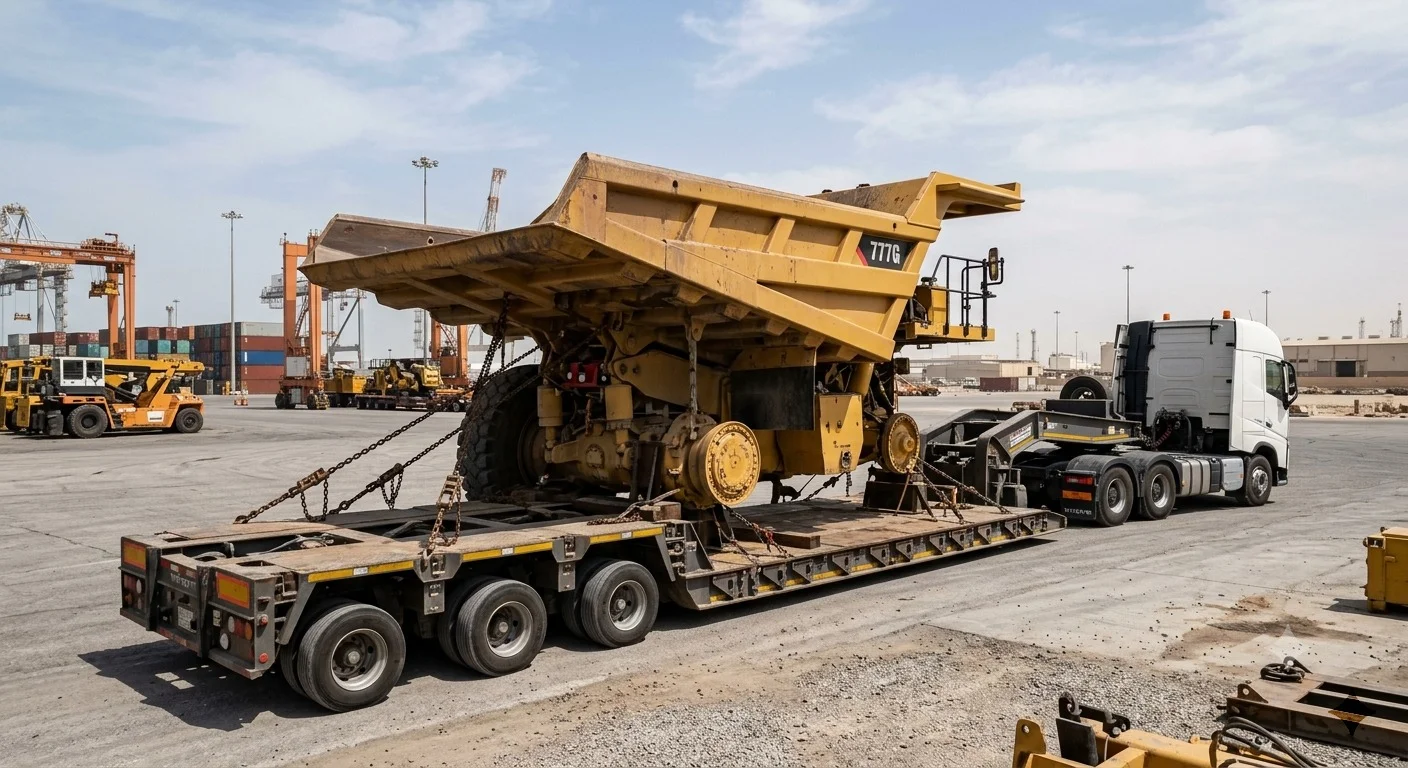
Shipping Industrial Equipment in Saudi Arabia
Shipping industrial equipment is one of the most complex logistics operations in trade and industry, requiring meticulous planning, technical expertise in packaging and securing loads, and full knowledge of local and international customs regulations. Industrial equipment isn’t like ordinary cargo — it’s often massive in size, expensive, and highly sensitive to any error in transport or storage, which is exactly why working with a specialized provider isn’t optional, it’s essential.
What Does Shipping Industrial Equipment Involve?
Shipping industrial equipment covers the transport of heavy machinery — cranes, production lines, electrical transformers, agricultural equipment, and mechanical and electrical machines — from the factory or port to the client’s final site. The process combines several interlinked stages: protective packaging, transport by land, sea, or air, customs clearance, and finally delivery and on-site installation.
Why Does Your Company Need Specialized Industrial Equipment Shipping Services?
Any delay or error in shipping industrial equipment can cost companies significant financial losses — whether from equipment damage, delayed production start-up, or customs penalties. Key reasons to rely on a specialized company include:
- Preserving equipment integrity during lifting, loading, and unloading.
- Speeding up customs release procedures and avoiding port delays.
- Meeting the technical specifications required to import industrial machinery into the Saudi market.
- Reducing costs caused by poor planning or customs errors.
Challenges in Shipping Industrial Equipment
Companies importing or exporting industrial machinery face several challenges, most notably:
- The heavy weight and large dimensions, which require specialized transport methods and advance coordination with ports.
- Complex customs procedures, especially when product registration or conformity certificates are required.
- Quality and safety requirements imposed by regulatory bodies on imported equipment.
- Logistics coordination among multiple parties: the shipping line, the land transport route, and customs authorities.
Typical Steps for Successfully Shipping Industrial Equipment
- Planning and Technical Assessment Determine the equipment’s type, dimensions, and weight to select the right transport method (sea, land, or air).
- Packaging and Securing Use specialized packaging materials and secure the machinery inside containers or on platforms to prevent any movement that could cause damage.
- Customs Clearance One of the most important and delicate stages of shipping industrial equipment, involving document review and confirming the equipment complies with applicable customs regulations.
- Registration and Technical Conformity Some industrial equipment requires registration on the SABER platform or a conformity certificate from the Saudi Standards, Metrology and Quality Organization before it can enter the Saudi market.
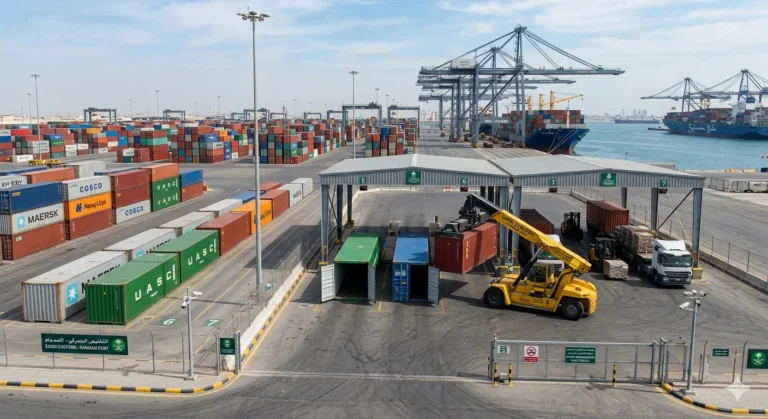
- Transport from the Port to the Site Once procedures at the port are complete, the equipment is transported by dedicated trucks to its final installation site.
The Role of Customs Clearance in Facilitating Industrial Equipment Shipping
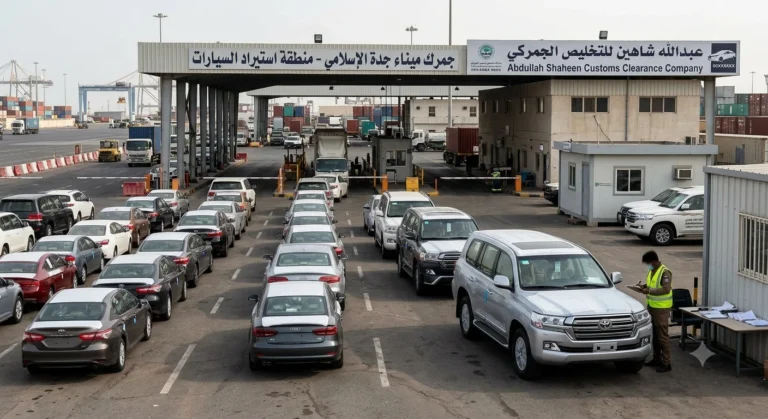
Shipping industrial equipment and successful customs clearance can’t be separated — clearance is the link between the equipment’s arrival at the port and its delivery to the client. Any error in documentation or customs classification can hold up a shipment for days or weeks, which is why it’s so important to work with a clearance office that has deep experience handling this kind of heavy, complex cargo.
Why Choose Abdullah Shaheen for Shipping Industrial Equipment?
Abdullah Shaheen Customs Clearance Company brings more than 35 years of experience in customs clearance and logistics services across Saudi Arabia. Our integrated industrial equipment shipping services include:
- Fast, accurate customs clearance for all types of heavy machinery and equipment.
- Container transport directly from the port to the client’s site with a modern, secure fleet.
- Managing SABER and Fasah registration procedures for imported equipment.
- Full coverage across all regions, including customs clearance in Riyadh, customs clearance in Jeddah, and Dammam customs clearance.
- Round-the-clock customer service tracking every detail of the shipment from start to delivery.
You can learn more about our approach on our about us page, or explore our goals in delivering clearance and shipping services to the highest quality standards.
Practical Tips for Shipping Industrial Equipment Without Problems
- Make sure all documents (invoice, certificate of origin, conformity certificates) are complete before the shipment arrives.
- Work with a clearance company that has real, hands-on experience handling heavy, non-standard cargo.
- Check the equipment’s pre-registration requirements in the Saudi systems in advance to avoid delays at the port.
- Plan the inland transport method from the port to the site well before the shipment arrives.
Conclusion
Shipping industrial equipment requires careful planning and a logistics partner who understands the details of the Saudi market and local customs regulations. By working with a specialized provider, companies can avoid delays and losses, and ensure their equipment arrives safely and on time.
Contact Us Now
If your company is preparing to import or export industrial equipment and is looking for a trusted partner to handle every shipping and customs clearance step quickly and professionally, Abdullah Shaheen Customs Clearance Company is ready to serve you. Reach out via WhatsApp at +966553307866, or email us at info@ashaheenco.com for an instant quote and step-by-step tracking of your shipment.