Challenges Facing the Customs Clearance Process
Customs clearance is one of the most important stages a shipment goes through during import and export operations, representing the point at which goods are verified for compliance with customs laws and regulations before being allowed to enter or leave a country. Despite the significant progress in customs systems and the growing adoption of electronic systems by many countries, the customs clearance process still faces numerous challenges that can affect the speed of shipment release and increase transportation and storage costs.
Companies and traders sometimes face various difficulties while completing customs clearance procedures, such as complex regulations, missing documents, or delays in customs inspection, among other issues that can delay goods from reaching their final destination.
This is where the importance of working with a specialized company with sufficient experience in managing customs clearance operations comes in — such as Abdullah Shaheen Customs Clearance Company, which provides professional services that help clients overcome these challenges and speed up shipment release procedures.
In this article, we will explore in detail the most prominent challenges facing the customs clearance process, their causes, and how they can be overcome to ensure trade operations run smoothly and efficiently.
What Is the Customs Clearance Process?
Before addressing the challenges, it’s important to understand the concept of customs clearance and its role in international trade.
Customs clearance is a set of legal and administrative procedures carried out by customs authorities to allow goods to enter or leave a country. These procedures include reviewing documents, assessing goods, calculating customs duties and taxes, and conducting customs inspections when needed.
This process requires a high degree of accuracy in submitting information and documentation, as even a small error can lead to shipment delays or additional penalties.
The Importance of Customs Clearance in Trade Movement
Customs plays a fundamental role in regulating the flow of international trade, aiming to protect the national economy and ensure compliance with laws and regulations related to import and export.
Among the most important objectives of customs clearance:
- Ensuring goods comply with approved specifications and standards
- Collecting customs duties and taxes
- Protecting local markets from non-compliant products
- Preventing the entry of prohibited or hazardous goods
- Regulating import and export movement between countries
With the increasing volume of global trade, customs clearance procedures have become more complex, giving rise to numerous challenges facing companies and importers.
Key Challenges Facing the Customs Clearance Process
There are a number of challenges that can hinder the smooth flow of the customs clearance process, and these challenges may vary depending on the type of goods, the country, or the customs system in place.
Complexity of customs laws and regulations
One of the most prominent challenges facing importers and exporters is the complexity of customs laws and the multiplicity of regulations that must be complied with. These laws vary from one country to another and are continuously updated.
This complexity can make it difficult to understand all the requirements, especially for companies that lack sufficient experience in international trade.
Missing or incomplete documents
Documents are a fundamental part of the customs clearance process, as customs authorities rely on them to verify the validity of the shipment.
Among the most important required documents:
- Commercial invoice
- Bill of lading
- Certificate of origin
- Packing list
- Conformity certificates or special permits for certain products
Any missing or incorrect information in these documents can lead to shipment delays or rejection of customs clearance.
Delays in customs inspection
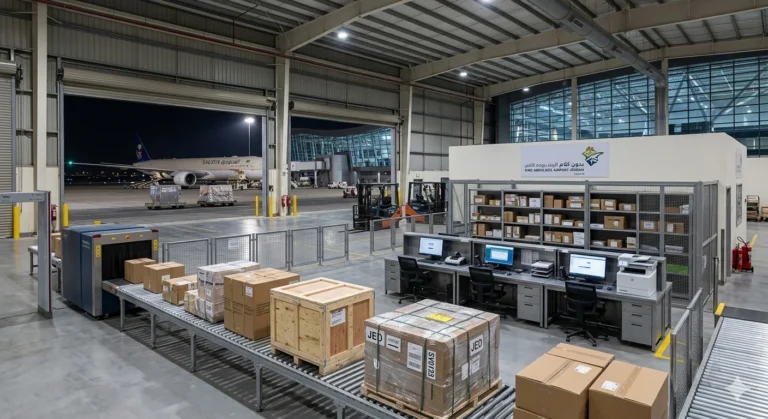
In some cases, shipments are selected for customs inspection to verify compliance with specifications and laws. This inspection can delay the release of the shipment, especially if additional checks are required.
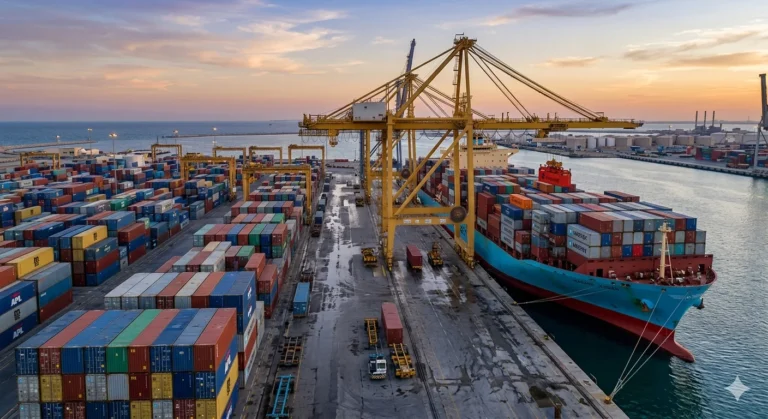
Port or airport congestion can also cause delays in inspection processes, affecting how quickly goods reach the market.
Discrepancies in customs classification of goods
Customs relies on an international goods classification system known as the Harmonized System, which determines the customs duty rate applied to each type of good.
However, discrepancies in interpreting goods classification can sometimes occur, leading to procedural delays or additional fees.
High customs duties and taxes
Customs duties are one of the challenges some companies face, especially if they are unaware of the expected costs before the import process.
Poor planning for these costs can lead to increased operating expenses and affect company profits.
Non-compliance with standards and specifications
Some products require conformity certificates or special permits before entering the country, such as food products, electronic devices, or medical products.
Failure to comply with these requirements can result in the shipment being rejected entry or returned to its country of origin.
Continuous changes in electronic systems
With the shift toward electronic systems in managing customs operations, some companies may find it difficult to keep up with these updates or deal with the various digital platforms.
This requires technical expertise and knowledge of modern procedures to ensure data is entered correctly.
The Impact of Customs Clearance Challenges on Companies
When companies face problems with customs clearance, this can lead to several negative effects on their business.
Among the most notable of these effects:
- Delayed arrival of goods to markets
- Increased storage costs at ports
- Payment of fines or additional fees
- Disruption of supply chains
- Loss of business opportunities due to delayed delivery
For this reason, companies seek to reduce these risks by relying on professional customs brokers with extensive experience in managing customs procedures.
The Role of the Customs Broker in Facing These Challenges
A customs broker is the link between companies and customs authorities, managing all the procedures necessary to clear shipments.
A customs broker helps with:
- Preparing and organizing required documents
- Entering data into electronic systems
- Following up on customs inspection procedures
- Ensuring goods are classified correctly
- Resolving any issues that arise during the clearance process
Having a professional customs broker significantly helps reduce errors and speed up procedures.
How Abdullah Shaheen Customs Clearance Company Helps Overcome These Challenges
Abdullah Shaheen Customs Clearance Company offers a comprehensive range of services that help companies and importers overcome the challenges associated with the customs clearance process.
The company relies on a specialized team with extensive experience handling various types of shipments and customs procedures, ensuring operations are carried out efficiently and quickly.
The company’s services include:
- Managing all customs clearance procedures
- Reviewing documents and verifying their accuracy
- Registering shipments in electronic systems
- Following up on customs inspection until shipment release
- Providing customs consultations before import or export
These services — offered across locations such as customs clearance in Jeddah, customs clearance in Riyadh, and customs clearance in Dammam — help clients reduce risks and avoid delays in shipping operations.
Tips to Avoid Customs Clearance Problems
Companies can reduce the challenges associated with customs clearance by following a few important steps.
First, make sure all required documents are prepared correctly before the shipment arrives at the port or airport.
Second, carefully review the customs classification of goods to avoid any discrepancy in duty calculation.
Third, ensure products comply with the specifications and standards required by the importing country.
Fourth, work with a customs clearance company that has extensive experience in this field — such as a trusted import and export agent or a licensed customs clearance agent in Jeddah.
The Future of Customs Clearance Operations
With the continuous advancement of technology and digital systems, customs clearance operations are expected to see further improvements in the future.
Modern technologies such as artificial intelligence and data analytics will help speed up procedures and reduce errors, while integrated electronic systems will facilitate information exchange between different authorities.
This progress will make import and export operations faster and more transparent, boosting the growth of international trade.
Conclusion
The customs clearance process faces numerous challenges that can affect the speed of shipment release and increase companies’ operating costs. These challenges include the complexity of customs laws, missing documents, inspection delays, and discrepancies in goods classification.
Dealing with these challenges requires significant expertise in managing customs procedures and understanding the regulations in place, which makes relying on a specialized company essential.
Through its professional services and extensive experience in this field, Abdullah Shaheen Customs Clearance Company helps its clients overcome these challenges and ensures customs clearance operations are carried out quickly and efficiently — contributing to smoother trade flow and success in both local and international markets, including specialized services like fast customs clearance in Jeddah and imported goods clearance in Jeddah.